The strange silence after decades of shared intimacy
Here's the thing nobody warns you about: when a long relationship ends, your body doesn't just miss a partner. It misses the routine of being touched by someone else. That absence is real, and trying to bridge it alone can feel awkward at first, even if you wanted the relationship to end.
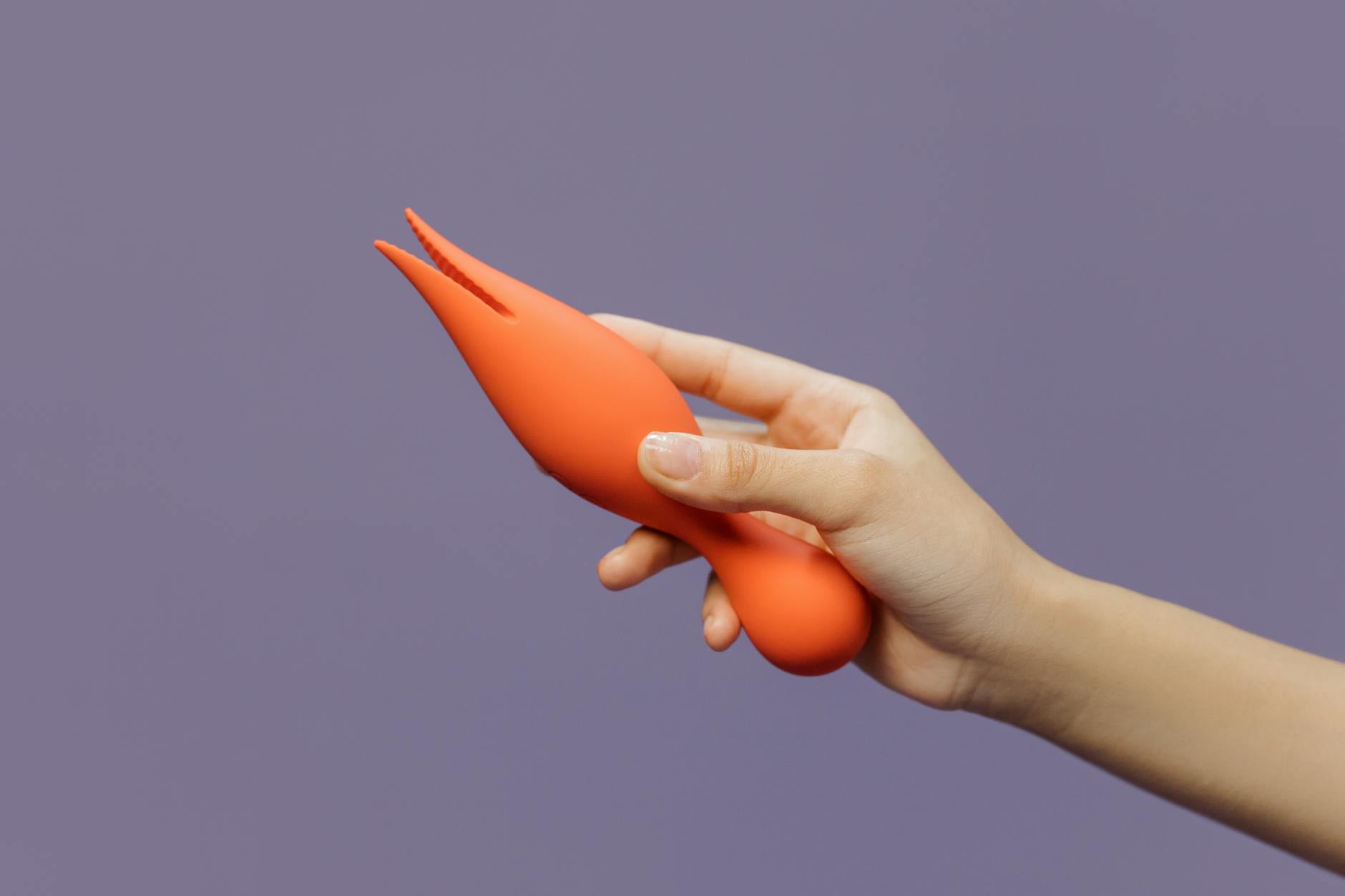
I've worked with countless people navigating this transition, and the most common thread isn't grief or regret. It's disorientation. Your body learned to respond to someone else's rhythm, someone else's touch. Solo pleasure after years of partnership requires relearning your own language. Lemon clitoral vibrators, particularly models like the Lem with air-suction technology, are designed to help you remember what you actually like when there's no one else in the room.
Why solo pleasure feels different after a long relationship
After years of partnered sex, your nervous system is calibrated to external stimulation and external timing. You might have learned to prioritize your partner's pleasure, their pace, their preferences. That's not a failure or a character flaw. It's just what happens in long relationships. When that dynamic suddenly disappears, your own arousal can feel strangely muted or confusing.
Three things shift neurologically when you move from partnered to solo pleasure:
First, there's no external validation. In a partnership, your partner's response tells you something is working. Solo, you have to trust your own feedback. Second, you're not managing someone else's arousal alongside your own, which paradoxically means your nervous system has more bandwidth but also fewer external cues. Third, the shame or self-consciousness that sometimes lurks in partnered sex often disappears when you're truly alone, which can either feel liberating or uncomfortable, depending on your history.
The good news: lemon clitoral vibrators work brilliantly for reconnecting with solo pleasure precisely because they offer a kind of stimulation that doesn't require the mental choreography partnered sex demands.
How air-suction technology resets your pleasure baseline
Most people who've been in long relationships have experience with traditional vibrators. Those tend to offer steady, direct vibration. That's fine, but here's what makes a lem vibrator different: air-suction technology (sometimes called "clit suction" or "clitoral massagers") stimulates through gentle suction and pulse patterns rather than direct friction.
Why does this matter for solo exploration? Because it's a sensation type most people haven't felt in partnered sex. Your partner can't replicate it without a toy. That newness resets your pleasure expectations. You're not comparing it to familiar touch. You're discovering something genuinely novel about your own body, which is psychologically important when you're rebuilding confidence in solo intimacy.
The sensation is also more meditative. Instead of the grinding or friction of traditional vibrators, you get waves of suction that build slowly. This pace actually mirrors how arousal naturally escalates when you're relaxed and present. For people returning to solo pleasure, that slower build helps you tune into your own arousal signals instead of chasing intensity.
Starting small, alone, without pressure
The biggest mistake people make when rediscovering solo pleasure is treating it like a performance. They expect orgasm, expect intensity, expect their body to respond immediately. That's the opposite of what actually helps.
Instead, use your first few sessions with a lemon clitoral vibrator as exploration, not achievement. Here's what I recommend:
Session 1: Hands-off discovery. Find a private space where you won't be interrupted for at least 20 minutes. Don't have an orgasm goal. Start the vibrator on its lowest setting and just feel it. Notice where you want more sensation, where you want less. Notice what patterns feel interesting versus annoying. Many people are surprised to discover their preferences have changed since their last solo experience.
Session 2: Location mapping. Your clitoris has different zones of sensitivity. The glans (the visible tip) is intensely sensitive for some people and almost too intense for others. The hood above it, the sides, the base. With a lem vibrator on a low setting, spend time finding which areas feel best. This isn't foreplay. This is information gathering.
Session 3: Build toward arousal. Once you know what sensations you prefer, start adding longer sessions where you actually warm up. Spend 5-10 minutes with low intensity, then gradually increase. Notice how your body feels different than it did during partnered sex. Maybe you're more patient. Maybe you're impatient. Both are fine.
After decades of partnered intimacy, you're not actually a beginner. You're a returning user with a different interface. That distinction matters. You already know pleasure is possible. You're just remembering how it works when you're in charge.
Rebuilding the mental component of solo arousal
Pleasure isn't just physical. After a long relationship, the mental piece often needs attention too.
During partnered sex, your mind is partly occupied with your partner. Are they into this? Is their body responding? Am I taking too long? Once those thoughts disappear, some people experience an unexpected silence. Without external input, intrusive thoughts can surface. Anxiety about your body, about being alone, about whether you're doing it "right."
This is where the tools matter. A lemon clitoral vibrator gives your mind something specific to focus on. The sensation, the pattern, the buildup. It's anchoring. It's also different enough from partnered vibrations that it feels genuinely novel, which keeps your mind engaged in the present moment rather than spinning on past comparisons.
If intrusive thoughts are particularly loud, give yourself permission to use fantasy, erotica, or whatever your mind needs to stay present. Solo pleasure after a long relationship sometimes requires active mental engagement to quiet the "am I doing this right" noise. That's not a failure. That's you learning what you need.
When to expect sensitivity shifts (and why lemon vibrators handle it)
After months or years of partnership, your genital tissue has been regularly stimulated. When that stops, sensitivity can actually increase. For some people, this is wonderful. For others, their clitoris becomes temporarily more reactive, sometimes uncomfortable.
Lemon vibrators' air-suction design is particularly helpful here because you can control intensity without changing the sensation type. If you find yourself more sensitive than you expected, you're not stuck with two choices: go harder or stop. You can dial the suction intensity down to 1 or 2, which maintains the sensation quality while reducing stimulus. This flexibility matters when your body is recalibrating.
Similarly, some people find their arousal pattern has shifted. Maybe you need longer warm-up time now. Maybe you need less. A lem vibrator's range of patterns and intensities lets you adapt to whatever your current baseline is without judgment.
The confidence piece: why consistency matters
One of the most underestimated benefits of solo pleasure tools is what I call "nervous system confirmation." When you use a lemon clitoral vibrator regularly, your body learns it's safe, predictable, and yours alone. That's psychologically important after the vulnerability of a long relationship ending.
I recommend establishing a loose routine, not for performance but for permission. Maybe twice a week, maybe more, maybe less depending on what feels right. The routine isn't about frequency. It's about telling your nervous system: "This time is for you. This space is safe. This is normal."
Many people tell me that consistent solo exploration actually helps them feel more confident in their body generally. Not just sexually. When you spend regular time in intimate contact with yourself, when you know what feels good without having to ask or guess, you carry that knowledge into the rest of your life. Your posture shifts. Your self-talk shifts. You know something true about yourself that can't be taken away.
That's not mystical. That's neuroscience. Embodied knowledge changes how you show up in the world.
Navigating shame, awkwardness, and the stories you inherited
For some people, solo pleasure has always felt straightforward. For others, there's inherited shame, religious conditioning, or messages that touching yourself is "weird" or "wrong." A long relationship can actually suppress those messages because you're not alone with yourself and your body.
When the relationship ends and you're faced with solo intimacy again, sometimes that shame surfaces hard.
If that's you, first: you're not broken, and you're not alone. Second: a lemon clitoral vibrator can actually help you bypass some of the shame because it reframes solo pleasure as self-care instead of compulsion. You're not desperately masturbating. You're using a tool designed for pleasure, deliberately, in a designated time. That shifts the entire psychological context.
I also recommend separating the physical rediscovery from the emotional one. Your body doesn't carry the shame. The shame lives in stories you learned, probably before you had any actual experience with pleasure. A lem vibrator is helping your body practice the truth: solo pleasure is normal, healthy, and entirely yours to define.
Practical tips for your first month
Start with privacy that feels real. Not just physically alone, but mentally alone. No partner in the house, no kids, no roommates. Silence or music that you actually like. Clean space, clean toy, comfortable temperature. These aren't luxuries. They're conditions that help your nervous system relax into pleasure.
Use water-based lube if you want it. Many lemon clitoral vibrators work dry, but lube can deepen sensation. It's also a sensory signal that tells your body this is intentional, not accidental.
Keep the goal small at first. Not "have an orgasm." Just "feel something I like." Not "get as aroused as partnered sex made me feel." Just "notice what my body prefers right now."
Expect some sessions to feel awkward or uncomfortable. That's normal. You're rebuilding a relationship with your own body. That takes time, patience, and actually showing up. Some sessions will feel amazing. Some will feel meh. Both are data.
If you find yourself comparing your solo experience to partnered sex you had years ago, just notice that thought and let it go. That was a different context, a different body, a different nervous system. This is new information.
FAQ: Questions people actually ask
Is it normal to feel awkward using a vibrator alone after years of partnership?
Completely normal. Your body learned to respond to someone else's touch. Redirecting that responsiveness inward takes a minute. The awkwardness usually passes in the first few weeks if you stay consistent. Think of it like learning a new language. The first conversation feels stilted. By the tenth, it's natural.
How long does it usually take to feel confident with solo pleasure again?
There's no timeline, but I typically see people move from "awkward" to "genuinely enjoying this" within 3 to 6 weeks of regular exploration. That assumes you're showing up without pressure. If you're forcing it or treating it like a task, it takes longer. If you're genuinely curious about your body, it's usually faster.
Can a lemon clitoral vibrator really feel that different from other vibrators?
Yes. Air-suction technology stimulates through suction rather than direct vibration, which engages different nerve endings. Many people describe it as more diffuse, less numbing, and more meditative than traditional vibrators. It's not inherently "better," but it is genuinely different, and that novelty can help you feel like you're rediscovering pleasure rather than just mimicking past experiences.
What if I don't orgasm right away with a vibrator?
Don't chase it. Orgasm is the least important part of solo pleasure, especially when you're rebuilding confidence. Some people find that removing the orgasm goal actually makes orgasms easier. Your nervous system relaxes, arousal builds naturally, and the release comes without being forced. Stay curious about sensation rather than fixated on outcome.
Is using a toy during solo pleasure different from hands-only exploration?
Both are valid. Many people find that a tool like a lemon clitoral vibrator actually helps them reconnect with their own preferences because the tool is consistent and novel. It's not better or worse than hands-only, but it offers different information. After a long relationship, that novelty can be psychologically helpful.
How often should I be exploring solo pleasure?
There's no magic number. Once or twice a week is a good starting point if you're rebuilding confidence. Some weeks you'll want more. Some weeks less. The goal isn't frequency. It's consistency enough that your body learns this is safe, predictable, and entirely yours.
If you're uncertain about your approach to solo pleasure or want to talk through your specific situation, reach out to me directly. That's what I'm here for.
Rediscovering pleasure after a long relationship is one of the most underrated parts of moving forward. It's not about replacing your partner or proving you don't need one. It's about building an actual relationship with yourself, one that's grounded in what you actually like, what your actual body needs, and what feels genuinely good when you're the only person in the room.
A lemon clitoral vibrator is just a tool for that work. But it's a tool designed exactly for what your nervous system needs right now: novelty, control, and permission to feel good without performance.
Start small. Stay curious. Your pleasure matters, especially when it's just for you.