Health scares rewire you in ways people don't talk about. After illness, injury, or a serious diagnosis, your body can feel like a stranger. You might have avoided touch for weeks or months. Maybe you're still in recovery. Maybe you're physically cleared but emotionally locked down, unsure whether pleasure is even safe anymore.
That fear is legitimate. And it's also survivable. Rebuilding intimacy after a health scare isn't about rushing back to how things were. It's about meeting yourself where you actually are and moving forward from there.
Here's the thing people don't say directly: pleasure is medicine. Not metaphorical medicine. Actual physiology. Orgasms increase blood flow, reduce stress hormones, and signal to your nervous system that you're safe. After a health crisis, your nervous system is probably stuck in a low-grade alert mode, even if you're past the acute danger.
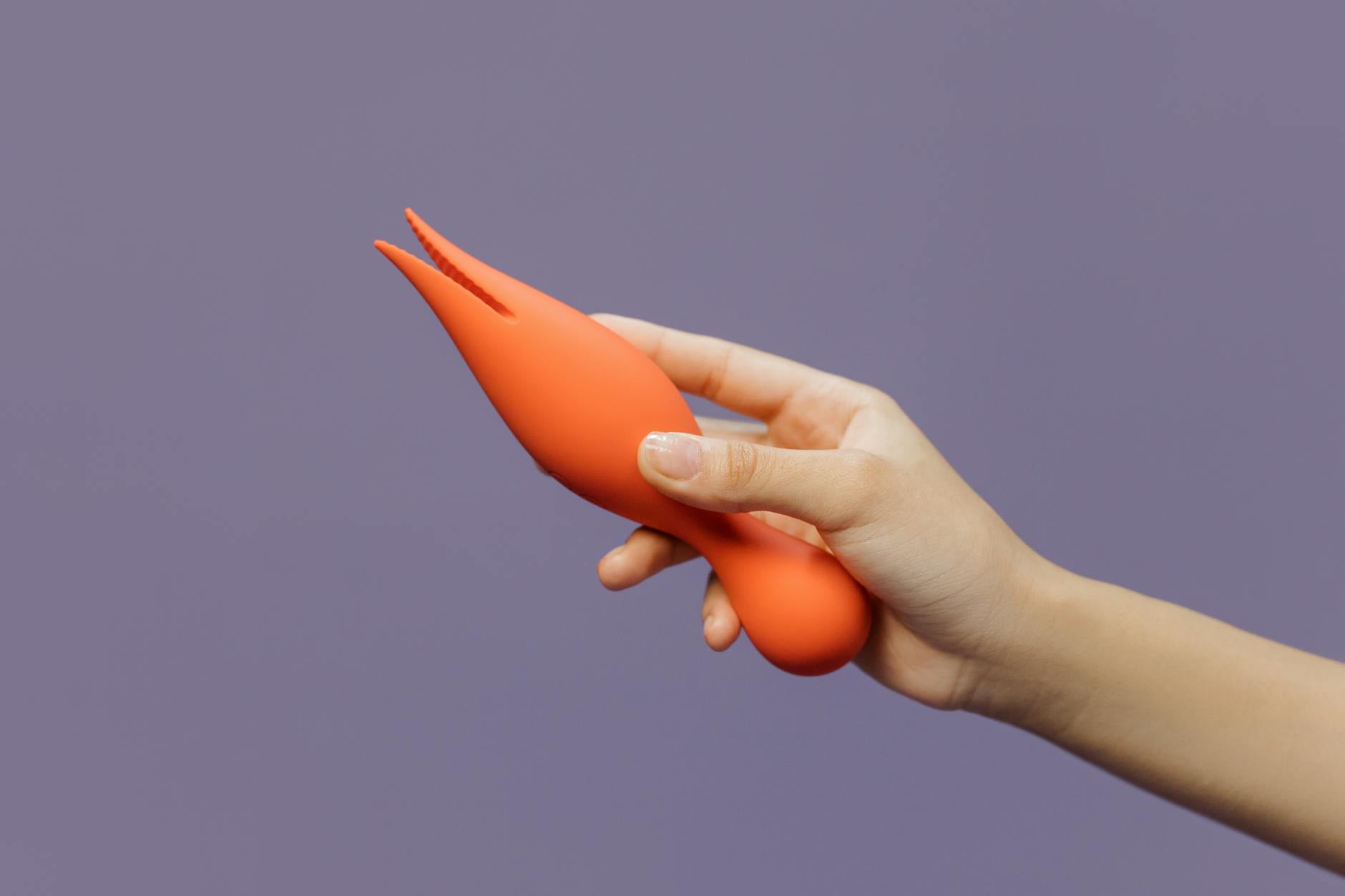
Breaking that alert state requires gentle, consistent proof that your body is okay. Solo exploration with a lemon vibrator gives you that proof on your terms, at your pace. You're not performing for anyone. You're not meeting someone else's timeline. You're just checking in with yourself.
This matters even if you feel no spark of desire right now. Especially then, actually.
Let's be practical. After a health scare, your nervous system is primed to interpret sensation as a warning. A lemon vibrator's clitoral suction design is gentler than traditional vibration because it doesn't require deep tissue pressure. The sensation is focused, precise, and easy to control. You're not managing intensity across your whole body. You're making a specific choice in a specific moment.
Start by holding the lemon vibrator without turning it on. Get used to the weight, the material, the shape. Some people need two or three sessions of just holding before they're ready to switch it on. That's not weakness. That's your nervous system doing its job.
When you do turn it on, start with the lowest setting. You might think that sounds boring. It's not. Low settings teach your body to notice subtle sensation again. After a health crisis, your nervous system loses some of that granular awareness. You're literally rebuilding the neural pathways that say "this feels good." That takes time.
Physical safety alone isn't enough. Your brain needs to trust that you're actually safe. That happens in layers.
First: timing. Pick a moment when you have at least thirty minutes with zero interruptions. Not because you need to build to some grand finale, but because your nervous system needs to know you're not in a rush. Rushing mimics stress. Your body will respond by tightening up.
Second: environment. Same place, if possible. Your nervous system learns through repetition. A consistent bedroom, bathroom, or living room becomes coded as safe. Light matters too. Some people find bright light too exposing after a health event. Others find darkness too triggering. You get to choose.
Third: a clear signal. Before you start, tell yourself or your partner out loud: "I'm checking in with my body. I'm safe. This is mine." I know that sounds cheesy. It's not. Your nervous system listens to your self-talk. Consistency builds safety.
If you're in a relationship, your partner probably feels uncertain too. They might be afraid of re-triggering your health crisis. They might feel distant because physical intimacy stalled. They might secretly wonder if you'll ever want them again.
Here's what helps: tell them explicitly that solo exploration is part of your healing, not a replacement for them. If they're willing, one partner can sit nearby while you explore alone. Not watching like it's a show. Just present. Reading a book or keeping you company in whatever way feels right. The research on this is clear. Proximity without pressure accelerates nervous system recovery.
Some couples also find that slower partner contact helps. Holding hands for five minutes without talking. Lying next to each other clothed. Non-sexual touch that says "I'm here and you're safe." These moments rebuild trust before any sexual contact happens.
Your first few solo sessions might not feel great. You might feel nothing. Your clitoris might feel numb or overly sensitive or both at different moments. All of this is normal after a health scare. Your nervous system is recalibrating.
Some people report that their first orgasm after a health crisis feels different. Softer. Shorter. More concentrated. Sometimes with unexpected emotional release. That's your body processing the fact that it's still capable of pleasure. Let it happen.
Others find that sensation gradually builds over weeks. Week one feels like static. Week two brings texture. Week three brings something closer to pleasure. This isn't linear. You might have great sessions followed by numb ones. That's your nervous system still finding its equilibrium.
Be patient with the timeline. Rebuilding takes longer than the initial health crisis, which feels unfair. Your nervous system doesn't know that though. It only knows what it's learning right now.
Many people feel shame about needing extra time to rebuild pleasure after a health scare. The narrative goes: "I should just be grateful to be alive." You can be grateful and also need pleasure. Those aren't contradictory.
Permission is the real work here. Permission to move slowly. Permission to feel awkward using a lemon vibrator after months of no contact with your body. Permission to take a break if something feels wrong. Permission to restart whenever you're ready.
Keep a simple log if it helps. Not detailed. Just "tried today, felt okay" or "felt numb, not today." Over weeks, you'll see the pattern. You'll see yourself healing. That evidence matters more than you'd think.
If numbness persists beyond six weeks of gentle weekly exploration, talk to your doctor. Neurological changes after some health events are real and treatable. If you have intrusive anxiety every time you touch yourself, a trauma-informed therapist specializing in somatic work can help rewire the fear response.
If your partner is struggling with how slow the rebuild is going, couples therapy isn't a failure. It's evidence that you both want to get back here and you need some navigation help. That's what we're trained for.
Your body survived something serious. That takes recovery time. Pleasure is part of that recovery, not a luxury you get to skip. You deserve to feel good again. You just get to take the path that works for you.
This varies widely depending on the health event, your recovery timeline, and your nervous system sensitivity. Some people notice improvement within 2-3 weeks of gentle solo exploration. Others take 2-3 months. The key is consistency, not speed. Your nervous system learns through repetition, not intensity. Once-weekly exploration is more effective than sporadic attempts.
Absolutely, and that's important information. Start with just holding the vibrator without turning it on. Some people benefit from using it in a very familiar, safe space with another person nearby. If the device itself triggers anxiety, you can skip it for another few weeks. Your nervous system will tell you when it's ready. Listen to that signal.
Completely normal. Your nervous system has been in protection mode. Sensation is one of the first things to dial down during chronic stress or recovery from illness. This numbing is a feature, not a bug. It protected you when you needed protection. Your job now is to gently signal to your body that it's safe to feel again. That takes time and repetition.
It depends on your relationship and comfort level. If you're married or in a long-term committed relationship, transparency tends to help. Many partners feel relieved to know you're working on rebuilding sensation rather than avoiding intimacy altogether. It gives them something concrete to support. If you prefer privacy initially, that's also valid. What matters most is your own comfort and your eventual reconnection with your partner.
Talk about this directly, without judgment. After a health scare, your nervous systems are out of sync. They might be ready faster than you are. This isn't about love. It's about trauma recovery. Setting a clear timeline helps. "I'm exploring solo right now. In 4-6 weeks, we can check in about partnered touch." Knowing there's a plan reduces their anxiety about rejection and gives you space to heal.
Check with your doctor first, depending on the treatment. Some medical situations require caution around any stimulation. Most don't. But it's worth asking. Your doctor has your full medical picture. Once you get clearance, starting very slow and paying attention to pain signals is key. If anything causes sharp pain or unusual symptoms, stop and follow up with your care team.
After a health scare, your job isn't to get back to normal. Normal is gone. Your job is to build something new. Something that honors what your body just went through and what it's still capable of.
Pleasure is part of that. A lemon vibrator is just a tool. What actually matters is giving yourself permission to feel good again, on your timeline, without shame. Your body survived. Now it gets to be loved again, starting with you.