Here's what nobody tells you about orgasms that don't feel complete
You get there. Your body hits the peak. And then something feels off. Like the climax arrives but doesn't quite land, or it's over before your nervous system feels satisfied. You're left thinking: was that it? Did I finish? Why doesn't it feel like enough?
This happens more often than you'd think, and it's almost never about your capacity for pleasure. It's about the specific mechanics of how your body builds and releases tension.
Why orgasms sometimes feel rushed or shallow
Orgasms that feel incomplete usually come down to three things working against you at once.
1. Inconsistent stimulation timing. Most people stimulate themselves by hand or with a partner who matches an arousal arc that doesn't actually exist. You don't gradually build to climax like a slope. You build in waves. Manual stimulation often peaks too early, or the pressure changes right when you need consistency. Your nervous system registers this as "the moment is ending" even if your body hasn't fully released.
2. Insufficient intensity at the finish line. You know that moment right before orgasm where you need more? More pressure, more speed, more sensation? Many people hit that threshold and then dial back, or their partner does. The stimulation gets lighter right when you need it heavier. Your orgasm registers as shallow because you never quite got the intensity hit you needed to push through.
3. Pelvic floor tension interfering with the release. This one surprises people. A tight pelvic floor actually blocks the rhythmic contractions that make an orgasm feel satisfying and complete. If your PC muscle is braced or clenched, the orgasm can still happen, but it feels diminished. Like the release gets stuck halfway.
What changes when you use a clitoral vibrator
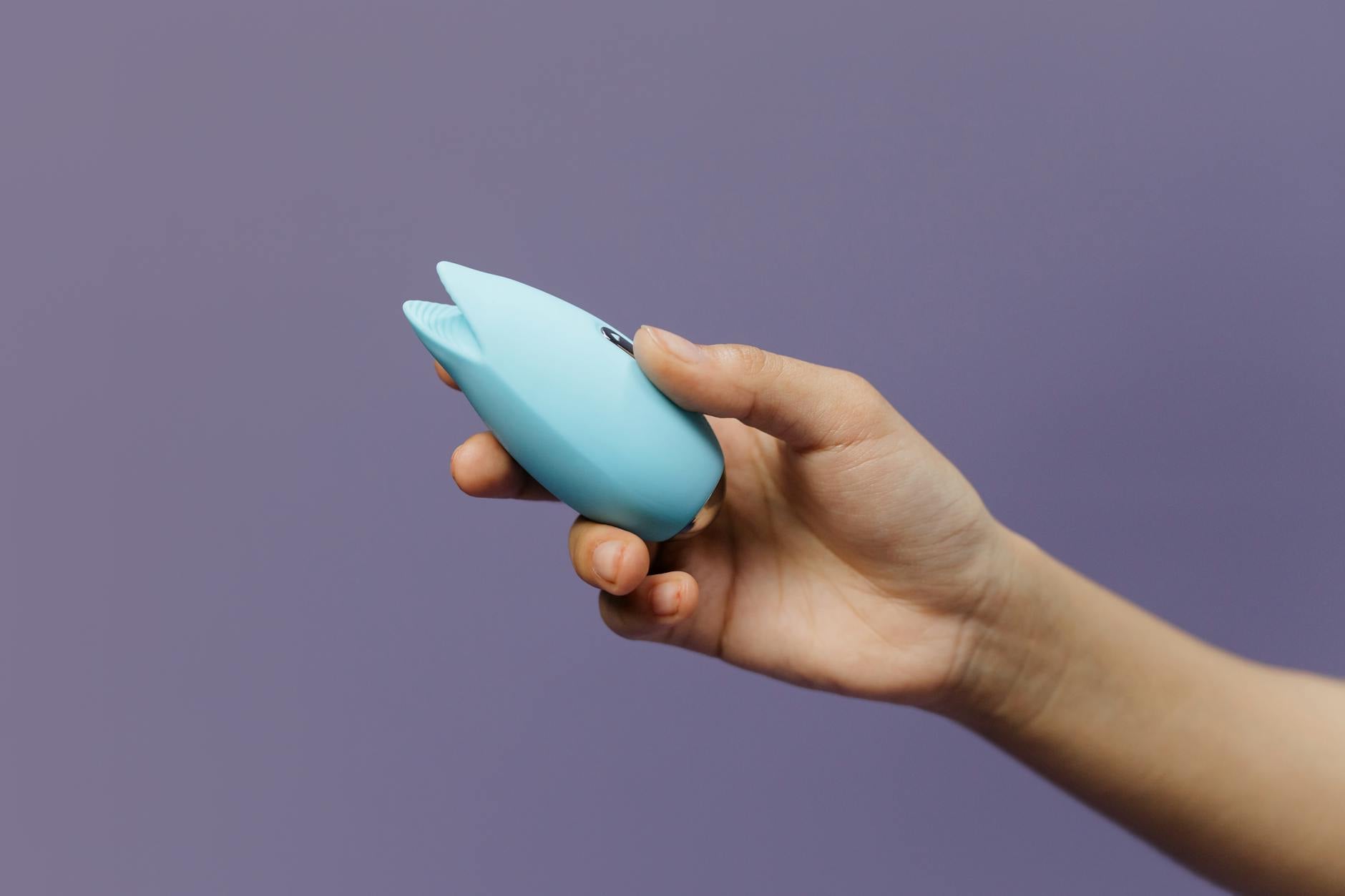
Lemon vibrators, specifically suction-based clitoral vibrators, solve these problems in ways that hand or partner stimulation alone typically can't.
Consistency. Once you settle into a pattern on a vibrator, the stimulation doesn't change. Your nervous system isn't second-guessing whether the sensation is about to shift. That consistency is what lets your arousal actually build in the uninterrupted waves that lead to complete climax.
Escalation without loss. You can start on a lower pattern and increase intensity as you approach the finish without having to adjust anything manually. Many people find that the ability to intensify the sensation right at the crucial moment is what tips them from "almost there" to fully satisfied.
Sustained pressure and suction. Air-suction vibrators like the Lemon create a seal that maintains pressure while delivering rhythmic stimulation. This combination tends to trigger deeper, more complete orgasms than vibration alone. The suction component keeps the clitoris engaged throughout the release, which means the pelvic floor contractions don't cut short.
How to set yourself up for a complete orgasm with a lemon vibrator
There's a rhythm to this that works better than others.
Start lower than you think you need to. Pick pattern 2 or 3, not pattern 5. Your job in the first 10 minutes is to build arousal, not chase the finish line. Let your body ramp up gradually. Most people who feel like their orgasms are incomplete are actually rushing the build phase.
Build for longer than feels necessary. Incomplete orgasms often happen because you haven't actually saturated your nervous system with enough stimulation to create a full release. Budget 15 to 25 minutes of continuous stimulation, even if you feel like you're close by minute 8. That extra time isn't wasted. It's deepening the arousal so your climax has something to release from.
When you hit the peak, stay with the same pattern. This is the crucial part. As soon as you feel yourself approaching orgasm, do not change anything. Same pattern, same pressure, same positioning. Let your body finish what it started. The urge to shift or adjust is often what interrupts the completion of the climax.
After climax, give yourself 30 seconds before you stop. Even after the main release, your nervous system is still processing. Continuing the same gentle stimulation for another half-minute often triggers a second wave or deepens the satisfaction of the first one. Many people describe this as the difference between "I had an orgasm" and "I had a real orgasm."
The pelvic floor piece (this matters more than you think)
If you're consistently hitting incomplete climaxes even with sustained, intense stimulation, your pelvic floor might be the culprit.
Spend two minutes before you start your session consciously relaxing this muscle. It's the one you use to stop the flow of urine. Tighten it for three seconds, then fully release and let it stay loose. Do this five or six times. You're training your body to know what full release feels like.
During stimulation, if you notice yourself clenching (which you probably do automatically as you approach climax), consciously drop that tension. Breathe into your belly instead of your chest. Relax your glutes and thighs. A loose pelvic floor actually allows the full rhythmic contractions that make orgasm feel complete.
This one adjustment alone transforms the experience for many people.
Using a lemon vibrator with a partner when your orgasms feel incomplete
If you have a partner, involve them in the buildup even if the vibrator does the clitoral work.
They can provide penetration (if that's relevant to you), or touch to your body, or simply be present and attentive. The psychological aspect of knowing your partner is tuned into your arousal often deepens the intensity of the climax. The vibrator isn't replacing them. It's freeing you from the physical mechanics of stimulation so you can focus on the sensation and connection.
One more thing: tell them the pattern and timing you're using. If they know you're going to stay on pattern 4 for the last two minutes before you come, they can calibrate their touch or penetration to that rhythm. The coordination tends to make everything feel more integrated, more complete.
When incomplete orgasms signal something else
If you've tried sustained, intense stimulation with a quality vibrator and your climaxes still feel shallow or cut short, it might be worth checking in on a few other factors.
Stress and distraction are the most common culprits. If you're mentally running through your to-do list, or bracing against the possibility that someone will walk in, your parasympathetic nervous system can't fully relax into the release. This isn't a vibrator problem. It's an environment or headspace problem.
Some medications (particularly SSRIs and certain blood pressure meds) can genuinely make orgasm feel muted. If you're on antidepressants and noticing this change, it's worth discussing with your prescriber. There are often alternatives or timing adjustments that help.
Hormonal shifts can also play a role. If your incomplete orgasms started around a specific life transition (postpartum, new hormonal contraception, approaching perimenopause), check in on whether the sensation has actually changed or whether it's the same but you're more aware of it now.
FAQ: incomplete orgasms and clitoral vibrators
Why do orgasms feel more complete with a vibrator than without one?
Vibrators provide consistent, sustained stimulation that your hand or a partner often can't maintain. The consistency allows your arousal to build uninterrupted, and your nervous system doesn't second-guess whether the sensation is about to change. This creates the stable pressure needed for a full, satisfying release.
How long should I use the vibrator before I reach orgasm?
There's no exact timeline, but most people need 15 to 25 minutes of continuous stimulation to build the kind of arousal that produces a complete orgasm. If you're coming in 5 or 6 minutes, you might actually be experiencing incomplete climax and stopping too early because you feel like you've finished. Slow down. Build longer.
Does changing the vibration pattern during climax interrupt the orgasm?
Yes, for most people. Once you hit that peak moment, consistency is more important than intensity. Stick with the same pattern and pressure. The urge to shift often signals anxiety rather than a genuine need for change. Breathe through it and let your body finish.
Can a pelvic floor that's too tight cause incomplete orgasms?
Absolutely. A clenched pelvic floor prevents the full rhythmic contractions that characterize a complete climax. You can still have an orgasm with a tight pelvic floor, but it often feels distant or muted. Learning to release this muscle before and during stimulation is one of the highest-impact adjustments you can make.
Is it normal for some orgasms to feel more complete than others?
Completely normal. Your stress level, hormones, relationship dynamics, and physical tension all influence how satisfying an orgasm feels. The goal isn't consistency. It's knowing the conditions under which your body feels most satisfied and recreating those when possible.
Can using a lemon vibrator actually train your body to have better orgasms long-term?
Yes. When you consistently experience complete, satisfying orgasms with a tool, your nervous system learns what that pattern feels like. Over time, this can carry over to partnered sex or other stimulation methods. You're not becoming dependent on the vibrator. You're teaching your body what full release feels like, so it can recognize and replicate that sensation elsewhere.
The long-term shift
Incomplete orgasms often come from years of rushing through pleasure, or from learning to climax under conditions (time-pressed, anxious about noise, focused on your partner's experience) that don't actually support your full satisfaction. A lemon clitoral vibrator isn't a fix for that. It's a tool that lets you slow down, build longer, and experience what happens when you actually finish what you start.
Once you've felt a genuinely complete orgasm, you know what to aim for. And that knowledge tends to change everything. Your pleasure matters. Not as an afterthought, not as something that's nice if it happens to work out. As the actual point of the practice.