Let's talk about the timing problem
You've been dating someone for a few weeks or months. Things are good. The sex is good, or at least you want it to be better. And somewhere in your mind, you know that introducing a lemon clitoral vibrator could actually help. But the conversation feels loaded. What if they think you're not satisfied with them? What if they feel replaced? What if they just say no and the whole mood gets weird?
Honestly, most of that anxiety lives in your head, not in reality. But that doesn't make it feel less real in the moment.
Here's what I've learned working with couples over two decades: the partners who navigate toys successfully aren't the ones having some perfectly orchestrated conversation. They're the ones who introduce the idea early, frame it around pleasure for both of you, and stay calm when there's initial resistance. That's it. That's the formula.
Why new relationships are actually the best time to introduce this
CounterIntuitively, early dating is easier than trying to introduce toys into a long-term relationship where patterns are already set. Here's why.
When you're new together, you're both still in discovery mode. You're figuring out what works, what doesn't, what you like. Adding a toy into that mix feels like exploring together, not like fixing something that's broken. There's no "we've always done it this way" resistance yet.
Second, if someone is going to have a strong reaction to toys, you want to know that now. Not after eighteen months of building a life together. A partner who is fundamentally uncomfortable with your pleasure is giving you information you need.
Third, and this is huge: introducing something early signals that you're someone who communicates about sex. That sets the tone for the entire relationship. No shame, no secrets, just "here's something that feels good to me, let's talk about it."
The frame that actually works
Forget "I want to use a toy during sex." That's outcome-focused and puts pressure on both of you to perform.
Instead, try this frame: "I've been curious about exploring different sensations together. I found this toy that might feel amazing for both of us, and I'd love to try it sometime. Are you open to that?"
Notice what this does. It's about curiosity, not dissatisfaction. It's collaborative ("together"). It's low-pressure ("sometime"). And it asks for consent without demanding an answer right this second.
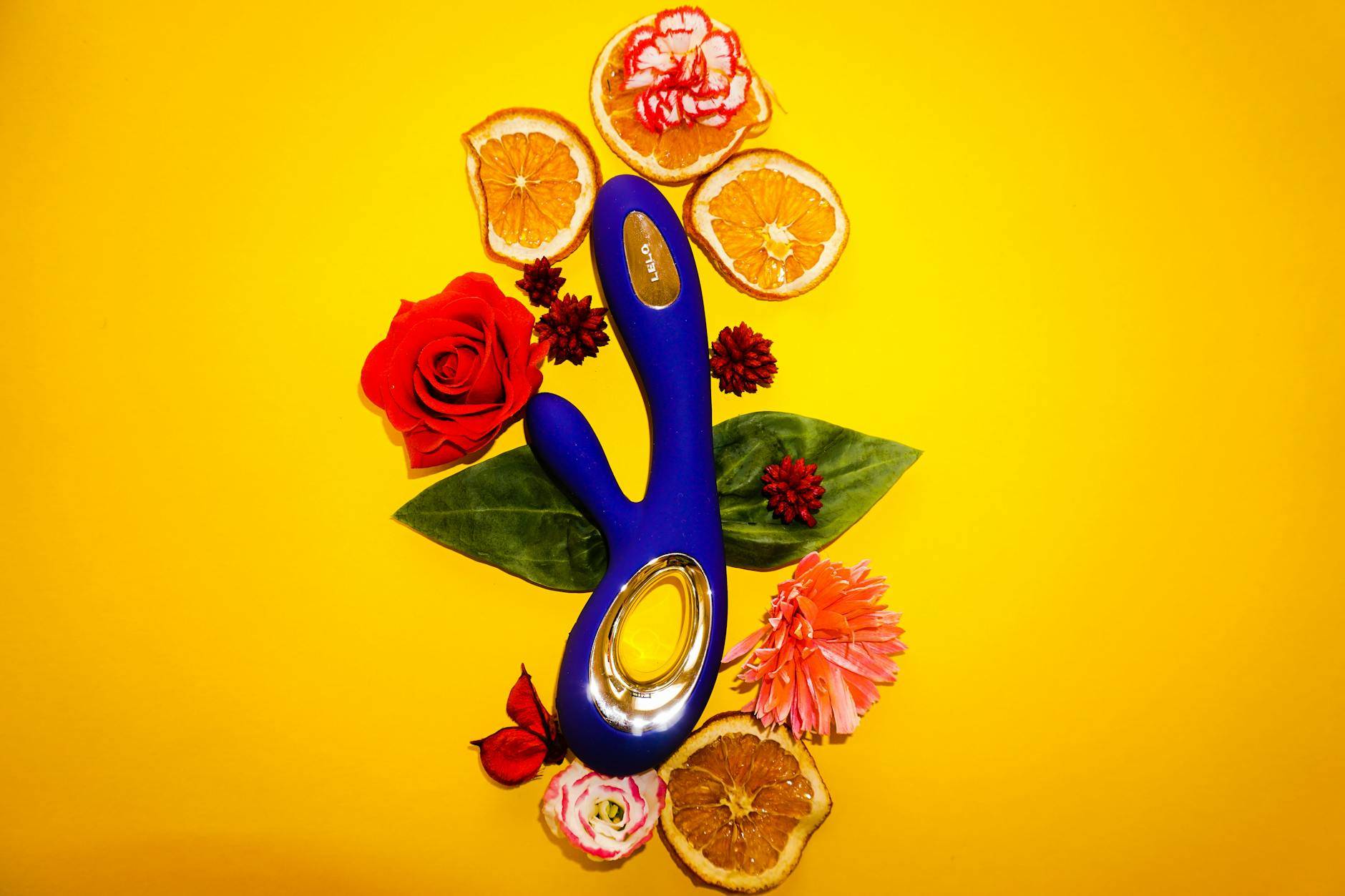
A lemon vibrator, specifically, has something going for it. The design is discreet and modern. It doesn't look intimidating. It's not a giant rabbit or something that reads as "this is a tool for solo sex." You can show them the actual product on the Try Lemon Toy site. Visual proof helps. Suddenly it's not some mysterious thing they're imagining. It's a specific, sleek device.
What to do if they say they need to think about it
Perfect. That means they didn't say no. They said they need processing time. That's healthy.
Drop it for a few days. Don't bring it up again unprompted. If they ask about it, answer honestly but briefly. The more you push, the more it stops being about pleasure and starts being about pressure. And pressure kills arousal in everyone.
Some people need to sit with the idea. Some people are worried about their own insecurity and need time to realize that their worth isn't threatened by a toy. Some people just need to see you staying relaxed about it, which signals "this isn't a big deal to me if you're not comfortable."
If they come back with questions, that's great. Answer them. "Will it replace me?" No. "Does this mean you're not satisfied?" Not at all. I just want to explore sensation more fully. "Can we pick one out together?" Absolutely. That last one is the best response because it makes it collaborative.
If they say yes, here's how you actually introduce it
Don't make it a production. The more ceremony you add, the more pressure it becomes.
One good approach: mention it during foreplay, when things are already heating up. "I want to try something with you. Is now good?" If yes, use it on them first. Not on yourself. This changes the entire dynamic. They're not watching you use a toy. They're experiencing it. Suddenly it's not about your pleasure or lack thereof. It's about theirs.
Start with a lower suction setting if you're using a lemon vibrator. Let them feel what the sensation is like. Most people are surprised by how different it feels from friction alone. The comment I hear most is "Oh, that's... actually really nice."
If you're using it together, the frame is simple: "I want to feel this while you're inside me" or "I'd love for you to use this on me while we're together." That's it. No explanation needed. You're inviting them into your pleasure, which is deeply connecting.
The conversation after the first time
This matters. You don't need to do a debrief like you're writing a research paper, but a quick "that was fun, I really liked that" or "I loved feeling that" matters. It tells them: this worked, you helped make it good, let's do it again.
If something felt off or uncomfortable for them, they'll likely tell you without prompting. "I felt a little weird about X" is them being vulnerable. Thank them for saying it. Adjust. Maybe they don't like watching. Maybe they want to hold it. Maybe they want to use it on you instead of you using it on yourself. All of that is workable.
What if they're uncomfortable and stay uncomfortable
Some people aren't comfortable with toys, and that's their right. But here's what you need to know: your pleasure is not negotiable. Compatibility includes sexual compatibility, which includes how you each feel about toys, exploration, and your own body.
You don't have to choose between a partner and your own pleasure. But if someone is fundamentally opposed to you using a lemon vibrator or any other toy, that's worth examining. Are you willing to give that up? Is this person willing to work with you on this? Can you find a middle ground?
Sometimes the answer is yes to all three. Sometimes it's no. Either way, you get clarity early, which is the whole point.
The longer arc: why this matters beyond one toy
Introducing a toy to a new partner isn't just about the toy. It's about establishing that you have a right to explore your own pleasure. That vulnerability in sex is possible with this person. That you can ask for what you want without shame.
These are foundational things. A partner who can't handle the conversation about a lemon clitoral vibrator is telling you something about whether they can handle other vulnerable conversations down the road.
The partners who navigate toys successfully also tend to be the ones who communicate about other things: finances, family dynamics, life goals, emotional needs. The skill is the same. Vulnerability. Directness. Willingness to stay in the conversation even when it's uncomfortable.
If you're starting something new with someone and you already know that pleasure exploration is important to you, bringing this up now is actually an act of kindness. You're giving them a chance to show up as the kind of partner who can celebrate your pleasure, not just tolerate it.
FAQ
How do I know if my new partner will be open to this?
You don't until you ask. But there are soft signals. Partners who are open to toys tend to be curious about sex in general. They ask what feels good. They pay attention to your responses. They don't get defensive about their own insecurities. If you're not sure, the safest bet is to mention it casually in a non-sexual moment first. "I've been thinking about exploring some things in bed. Would you be open to that?" Their reaction tells you whether to proceed.
Should I buy the toy before or after telling them?
After. Buying it first can feel presumptuous or like you've already decided this is happening. Mentioning it first, gauging their response, and then saying "let's pick one out together" is collaborative. If they're reluctant, you're not stuck with a toy you bought unilaterally.
What if I'm worried they'll feel like this is a comment on their performance?
That fear is valid, but remember: a toy enhances sensation for you. It's not a replacement for them. The best way to communicate this is to connect the toy to your own body, not to their behavior. "My body responds really well to this kind of stimulation" is different from "you're not doing it right." One is about you. One is a criticism of them. Stick to the first frame.
Can I use a lemon vibrator during partnered sex?
Absolutely. Many couples use clitoral vibrators during intercourse because the extra stimulation helps with arousal and orgasm. A toy during partnered sex isn't replacement. It's addition. The key is communicating beforehand about when, how, and what you both need.
What if they want to use the toy on me, but I'm uncomfortable with that?
Then you say so. "I'd rather use it myself for now" is a complete sentence. You don't owe anyone access to your body, even in the context of pleasure. If this becomes a bigger incompatibility, that's information worth having.
How often should we use it?
There's no "should." Some couples use toys frequently. Some use them occasionally. Some use them for solo play while their partner watches. Some use them only in certain situations. The rhythm you find together is the right one. Check in periodically. "Are you still enjoying this?" keeps you on the same page.