Let's start with what vaginismus actually is
Vaginismus is involuntary pelvic floor tension that makes penetration painful or impossible. It's not psychological, it's not your fault, and it's wildly more common than most people realize. The pelvic floor muscles contract reflexively when penetration is attempted or even anticipated. Your body is literally protecting itself, which makes perfect sense. What makes it frustrating is that this reflex often kills sexual desire altogether because your brain learns to dread the experience.
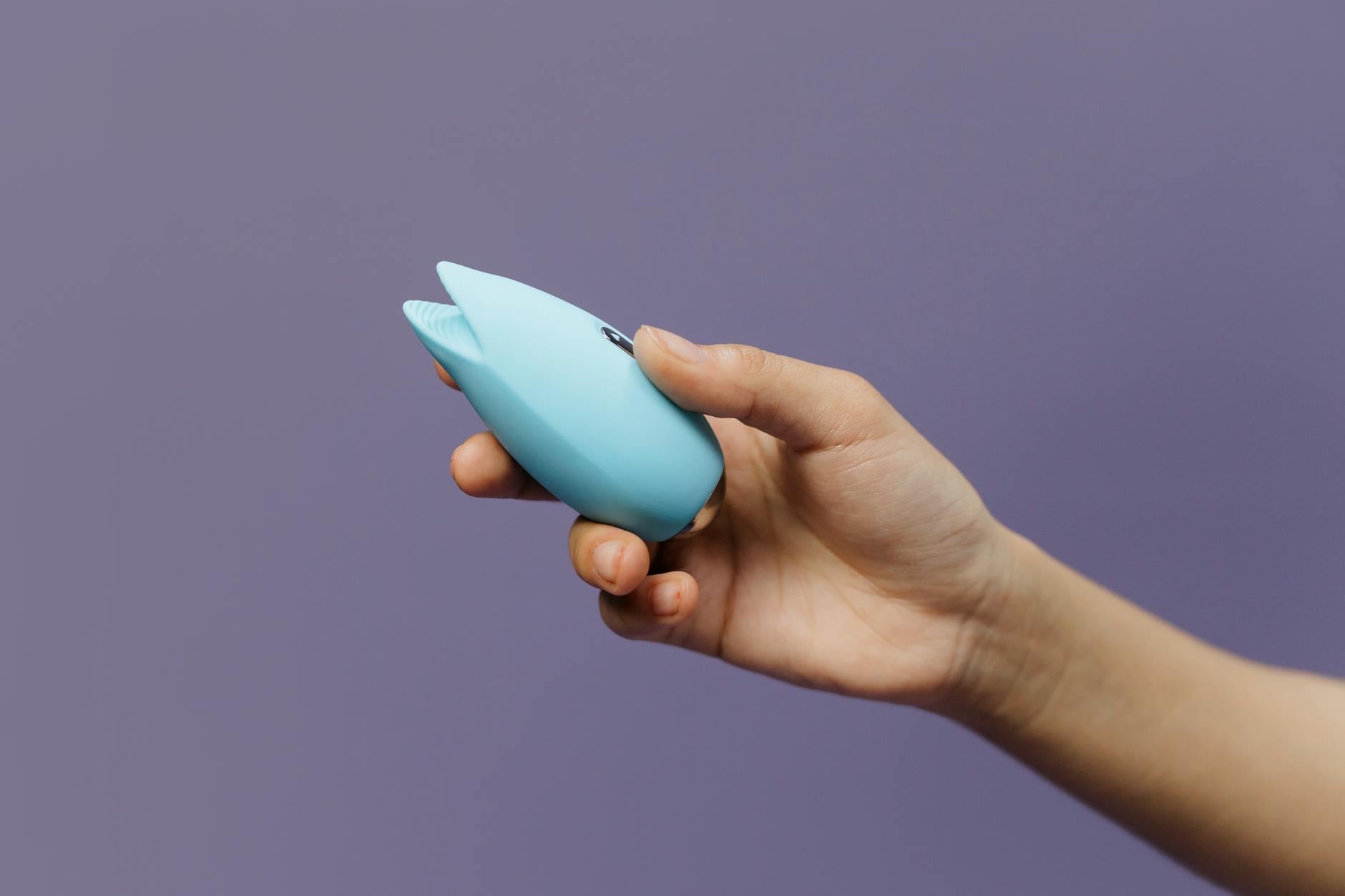
Here's what most people don't know: vaginismus doesn't mean you can't have pleasure. It means penetration-focused pleasure is temporarily off the table. That's actually where lemon clitoral vibrators become genuinely helpful.
Why penetration-free pleasure matters right now
When you have vaginismus, every sexual encounter carries implicit pressure to eventually "try" penetration. This creates a cycle: anticipation triggers pelvic floor tension, tension makes you anxious, anxiety worsens the tension. It's brutal and exhausting.
Using a lemon vibrator removes that pressure entirely. You're not working toward penetration. You're not proving anything. You're simply exploring clitoral stimulation, which your pelvic floor can actually relax around because there's no threat to it. This distinction matters more than it sounds. When your nervous system stops bracing, pleasure becomes possible again.
How lemon vibrators differ from traditional vibrators for pelvic floor tension
Most traditional vibrators use direct, repetitive buzzing that can feel jarring if your pelvic floor is already tight. You end up tensing more, not less. Lemon clitoral vibrators use rhythmic suction and pulsing patterns that work differently. They don't require the same kind of direct friction. Instead, they create gentle waves of pressure that many people find less triggering for pelvic floor tension.
The suction mechanism also means you don't have to position yourself a specific way. You can adjust depth and angle easily. Control matters when your body has learned to mistrust sensation.
Building a routine that actually works
Start small and predictable. Pick a time when you're genuinely relaxed, not when you think you "should" be intimate. This matters. Your nervous system needs to learn that pleasure exploration isn't tied to performance or obligation.
Begin with your lemon vibrator on the lowest setting. Yes, lowest. The goal right now isn't intensity, it's desensitization and nervous system reset. Spend 5 to 10 minutes just exploring sensation without any goal of orgasm. This sounds simple and weirdly powerful.
Use water-based lubricant even though penetration isn't happening. It reduces friction, makes everything feel better, and signals to your body that you're taking care of it. This is a small thing that shifts your mindset from clinical to caring.
Do this three or four times a week. Consistency matters more than duration. Your brain is literally rewiring its response to sexual stimulation, and that happens through repetition, not intensity.
The role of mental prep and body awareness
Vaginismus lives at the intersection of physical tension and anxiety. You can't solve it with just a vibrator. You can solve it with a vibrator plus intentional nervous system work.
Before you use your lemon vibrator, spend two minutes on deliberate breathing. Breathe in for four counts, hold for four, exhale for six. The longer exhale activates your parasympathetic nervous system, which is the opposite of fight-or-flight. Your pelvic floor relaxes when your nervous system feels safe.
During stimulation, notice where tension shows up in your body. Shoulders? Jaw? Thighs? Breathe into those spots. You're teaching your nervous system that arousal doesn't require bracing.
When to involve a partner (and how)
If you have a partner, the worst thing they can do is wait for you to "be ready" for penetration. The best thing they can do is join you in pleasure exploration without that goal.
Show them your lemon vibrator. Explain that this is your way of rebuilding trust in sensation. Ask them to be present without trying to escalate. They can touch you elsewhere, talk to you, or just sit with you. The point is: they're not waiting for you to be fixed. They're participating in the process.
Some couples find that using the vibrator together feels less isolating. Others prefer solo time first to build confidence. Both are valid. The variable is pressure, not participation.
Real progress looks like this
Progress with vaginismus is gradual and nonlinear. You might have amazing sessions followed by a session where tension creeps back in. This is normal. You're retraining years of reflex.
Progress looks like: noticing arousal building without immediate anxiety. Feeling pleasure for longer stretches. Being able to relax your thighs and breathing while using the vibrator. Orgasms that feel less frantic and more integrated. Your nervous system becoming curious instead of defensive.
It also looks like expanded capacity over weeks, not days. Some people notice significant shifts in four to six weeks of consistent practice. Others take longer. There's no timeline for your nervous system.
When you need professional support
If vaginismus is paired with trauma, severe anxiety, or pain that doesn't ease with relaxation techniques, a pelvic floor physical therapist is genuinely worth the investment. They can teach you specific exercises to release chronic tension and rule out other issues.
A therapist who specializes in sexual health can also help untangle the anxiety part. Vaginismus is often a symptom, not the root cause. Sometimes the root cause is past pain, relationship dynamics, or learned patterns about sex that need actual conversation to shift.
Your lemon vibrator is a tool. Combined with professional support, it becomes part of real recovery.
FAQ
Can I use a lemon clitoral vibrator if penetration is extremely painful?
Yes. That's actually the ideal starting point. A lemon vibrator focuses entirely on clitoral pleasure without any penetrative pressure. This removes the pain association and lets your nervous system experience pleasure again without threat.
Will using a vibrator make vaginismus worse?
No. Vaginismus gets worse when you avoid sensation and reinforce anxiety. Using a vibrator on your terms, at your pace, actually does the opposite. You're building evidence that touch and stimulation can feel good. Your pelvic floor relaxes when your brain learns to trust sensation again.
How long does it take to see progress with vaginismus?
Some people notice reduced tension within two to three weeks of consistent practice. Others take two to three months to feel significant shifts. The timeline depends on the severity, how long you've had it, and whether you're doing nervous system work alongside the vibrator practice. Trust your own pace.
Should I try penetration once I feel ready?
Not necessarily on your first attempt. Many people find it helpful to stay with clitoral pleasure for a month or more, building genuine comfort and arousal capacity. When you do try penetration, it should be exploratory and low-pressure, never goal-oriented. Your partner can use a finger while you use your lemon vibrator for external stimulation. Start small and stop if you feel that old tension returning.
What if I still can't relax even with a lemon vibrator?
This is worth discussing with a pelvic floor specialist. Sometimes vaginismus is tied to structural tension that needs hands-on release work. Sometimes it's deeply rooted anxiety that benefits from both therapy and the vibrator. You don't have to solve this alone. Professional support accelerates progress significantly.
Can I use my lemon vibrator with a partner present?
Absolutely. Some people feel less alone when their partner is in the room. Others prefer solo practice to build confidence without an audience. There's no wrong answer. If you do use it with a partner, communicate beforehand about what you're comfortable with. Are they watching? Touching you elsewhere? Just present? Clarity prevents awkwardness and keeps the focus on your pleasure, not theirs.
The bigger picture
Vaginismus is a body's way of communicating that something feels unsafe. A lemon vibrator doesn't erase that communication. Instead, it creates a safer avenue for rebuilding trust in sensation. Over time, consistent practice in a low-pressure environment rewires that response. Your nervous system learns that touch and arousal don't have to trigger protection mode.
The goal isn't to eventually tolerate penetration. The goal is to genuinely desire pleasure and feel capable of receiving it. When that happens, penetration often becomes possible. But if it never does, that's okay too. Full, satisfying pleasure exists without it.
Start where you are. Use your lemon vibrator as an invitation, not a test. Let your nervous system heal at its own pace.
If you want to talk through your specific situation or explore other approaches that might help, reach out. You don't have to figure this out alone.