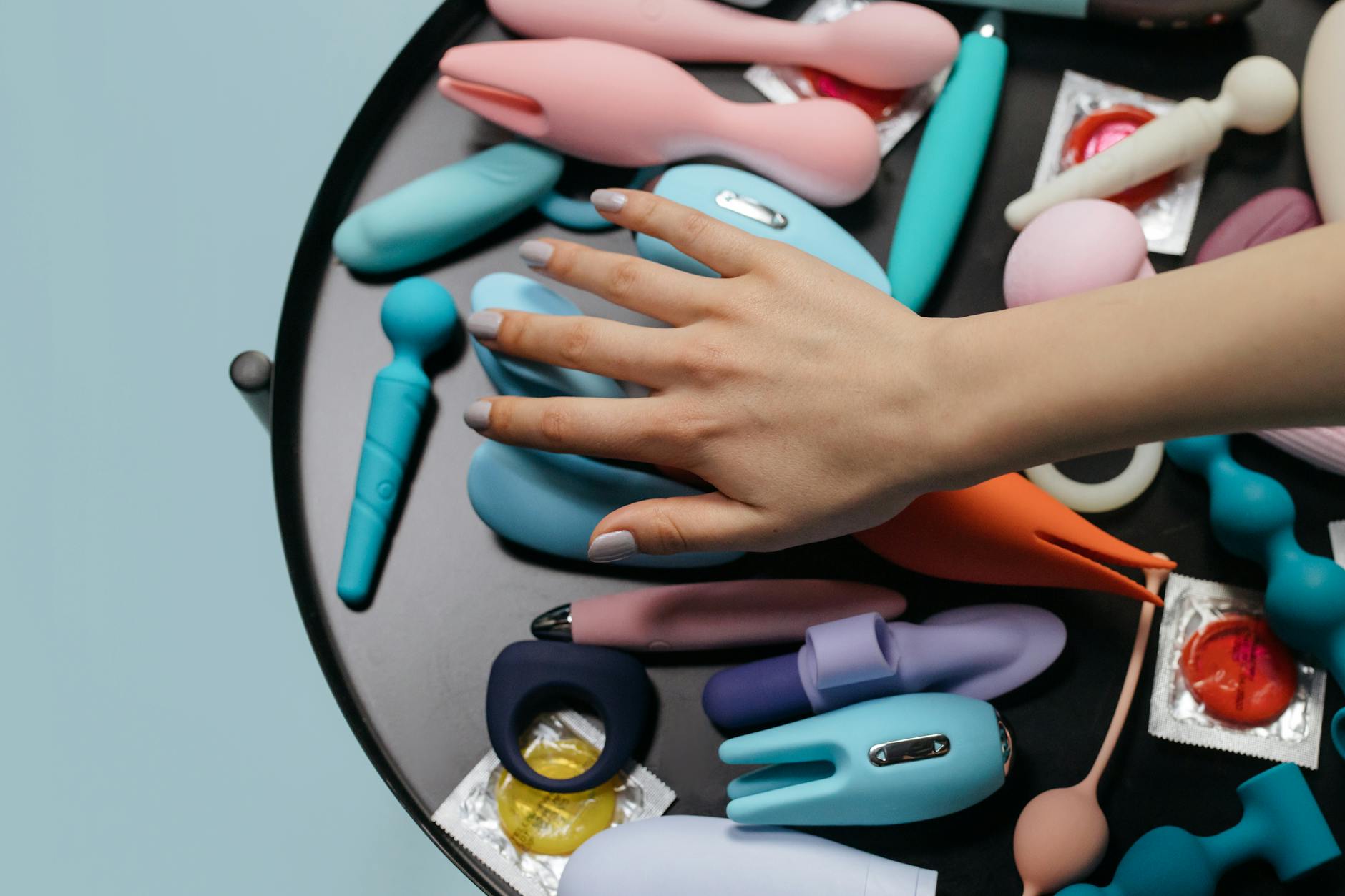
Let's talk about the conversation first
Here's what I hear from couples constantly: one partner wants to bring a toy into the bedroom, and the other interprets it as "you're not enough for me." That's the real barrier. Not the toy itself. The story we're telling ourselves about what the toy means.
Inviting a lemon vibrator into partnered sex is not about replacing anything. It's about adding a tool that helps one of you experience pleasure more reliably. That's it. But the conversation has to happen first, outside the bedroom, when you're both clothed and calm.
Why the setup conversation matters more than you think
Timing is everything. Don't bring this up mid-foreplay when vulnerability is already high and your partner is half-undressed. Don't text it. Sit down over coffee or a glass of wine when you have real attention and time.
Here's what I recommend saying: "I've been thinking about trying something that might help me feel sensation more easily during sex. I want to try a clitoral vibrator with you, and I'm telling you now so there's no surprise in the moment." Then stop talking. Let them respond.
If they ask questions, answer them honestly. "Will you still want to have sex without it?" Yes. "Does this mean I'm not doing it right?" No, it means my body responds differently sometimes, and this helps. If they get defensive, don't argue. Ask: "What concerns you about this?"
Often the concern isn't really about the toy. It's about feeling like they're failing you, or that you're losing interest in them. Those fears need to be addressed directly, not sidestepped with reassurances.
The practical part: how to actually introduce it
Once you've had the conversation, your first time using a lemon vibrator together should feel low-pressure and exploratory. Not performance-driven. Not "this is the night I'm definitely going to orgasm." Treat it like you're learning something together.
Start with foreplay. Build arousal the way you normally do. When the moment feels right (you're already excited, things are moving naturally), introduce the toy. Don't make a production out of it. "I want to try this now, okay?" and let them stay involved.
The best part about air-suction lemon vibrators is they're not intimidating like traditional vibrators can be. They're quieter, smaller, and the sensation is more diffuse. Your partner can see exactly what's happening, which removes a lot of mystery and worry.
Consider these approaches: your partner can hold the toy while you guide them. They can watch while you use it on yourself. Or they can use it on you while you focus on sensation. No option is better. It depends on what feels intimate and fun to both of you.
What NOT to do (the mistakes I see most)
Don't use the toy to avoid connection. Some people introduce vibrators because they've emotionally checked out of the relationship. The toy becomes a way to get off without engaging. Your partner will feel that withdrawal, and it'll confirm their worst fears.
Don't expect it to "fix" sex if sex has been difficult. If you've been having pain, or anxiety, or low desire, the toy helps, but it's not a magic wand. You might still need to address the underlying issue with a therapist or a doctor.
Don't bring it in if you haven't built enough trust. This might sound obvious, but I work with couples where one partner introduces a toy right after an affair, or during a rough patch. That's using a toy as a bandaid. It doesn't work. The relationship has to feel relatively secure first.
Don't assume your partner knows how to use it. Lemon clitoral vibrators have different settings and patterns. Show them. Let them experiment with intensity while you give feedback. "Slower, please" or "that angle works" guides them without making it feel like they're doing it wrong.
How this deepens trust (if you do it right)
Here's the paradox: bringing a toy into your sex life can actually deepen emotional intimacy. It forces you to be vulnerable. You're saying "here's what helps my body feel good, and I want to share that with you." That's exposure. That takes courage.
When a partner responds with curiosity instead of defensiveness, something shifts. You're not hiding part of your pleasure anymore. You're inviting them into it. And the partner who accepts that invitation and engages with it? They're saying "your pleasure matters to me, even when I can't provide it alone."
After you've used a lemon vibrator together, check in. Not in a clinical way. Just: "How did that feel for you?" "Do you want to do that again?" "Anything you want to try differently?" This keeps it conversational, not evaluative.
Many couples tell me that adding a toy made sex feel playful again. The pressure lifted. They stopped trying to perform for each other and started exploring together. That's when real connection happens.
If your partner is still resistant
Some partners say no. Maybe they're not ready. Maybe they have shame around toys. Maybe they genuinely don't want one in the bedroom. That's their boundary, and it's valid.
You have a choice then. You can use the toy solo, which is completely fine. Or you can keep the conversation open without pressure. "I hear you. I'm not going anywhere. If you ever change your mind, let me know."
But here's what I won't recommend: pretending you don't want to use a toy when you do. That builds resentment. And resentment kills more long-term relationships than toys ever could.
If this becomes a real incompatibility, that's worth exploring with a couples therapist. It usually isn't about the toy. It's about feeling desired, feeling heard, feeling like your needs matter. A good therapist can help you both untangle that.
The first time is awkward (and that's okay)
Your first experience using a lemon vibrator together will probably feel weird. Maybe you giggle. Maybe the moment doesn't feel as sexy as you imagined. That's normal. Sex always has awkward moments. That's not failure.
The goal isn't perfect performance. It's building trust and figuring out what works for your bodies and your dynamic. Some couples use the toy every time. Some use it occasionally. Some try it once and decide it's not for them. All of those are fine.
What matters is that you communicated first. You invited your partner in instead of springing a surprise. You let them stay curious instead of defensive. That's the foundation that makes everything else possible.
People also ask
Will using a vibrator change how my partner and I have sex?
Usually, yes, but in a good way. Sex often becomes less goal-oriented once you introduce a tool that helps. People worry less about "performance" and more about connection and exploration. Some couples find they want to use the vibrator regularly. Others use it sometimes. The key is that you've opened a conversation that was probably happening silently anyway.
What if my partner wants to use a lemon vibrator on themselves during partnered sex?
That's completely normal and healthy. Some people use a toy while penetrative sex is happening. Some prefer focused clitoral stimulation before or after. This is actually a great way to share pleasure without your partner feeling replaced. You're both actively involved in each other's pleasure, just in different ways.
Is it weird to ask my partner to use the toy on me?
Not weird at all. Many partners actually like being involved in the mechanics of pleasure. It gives them something active to do instead of feeling passive. Plus, they learn exactly what feels good for you, which benefits you both long-term.
My partner says toys mean I don't love them enough. How do I respond?
With empathy and clarity. Say: "I love you and my body works the way it works. This tool helps me experience sex more fully. That's not a reflection of my feelings for you. It's about my physiology." If they're still hurt, that's worth exploring together with a therapist. Sometimes this fear points to deeper insecurity or past trauma.
How do I know if my partner will be open to using a lemon vibrator?
You won't know until you ask. The people most surprised by their partner's openness are usually those who assumed rejection without testing it. Yes, there's vulnerability in asking. But there's also potential for real connection on the other side. Start with a conversation, not a purchase.
Should I bring a toy into the bedroom the first time we try partnered sex?
Probably not. Build some baseline comfort first. After a few sessions where you're familiar with each other's bodies and rhythms, introducing a tool feels like an addition, not a crutch. That said, if you've talked about it beforehand and you're both genuinely excited, there's no rule against it.
The real work happens after
Inviting a lemon vibrator into your sex life with a partner is the easy part. The real work is staying curious about each other over time. As your bodies change, as desire ebbs and flows, as life gets complicated, your sex life has to adapt. A tool helps. But what really matters is that you keep showing up, keep communicating, and keep treating each other's pleasure as something worth protecting.
If you're ready to explore, start with the conversation. The rest will follow naturally. And if you need support navigating this shift in your relationship, that's what therapists are for. Your pleasure—and your partnership—are worth the investment.